
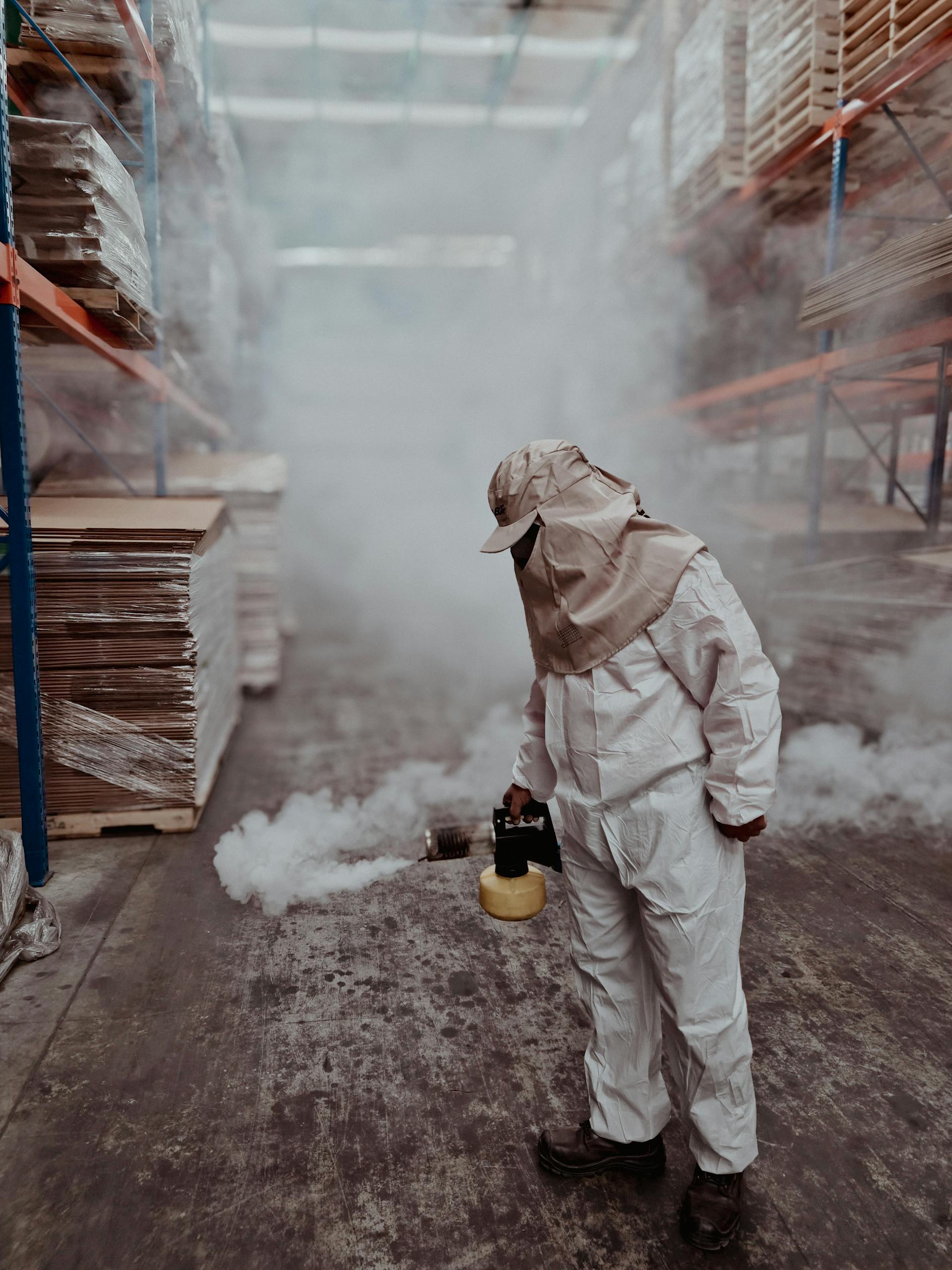
The Ministry of Health (MOH) is proposing the Fumigation Control Act 2026 to replace the Hydrogen Cyanide (Fumigation) Act 1953, which is considered outdated and no longer aligned with current industry practices and safety risks. The draft proposal is open for public consultation from 26 January to 30 March 2026.
Key Changes Introduced
Expanded control of fumigation chemicals
The proposed Act expands regulatory coverage from only Hydrogen Cyanide and Methyl Bromide to all fumigants, including commonly used gases such as phosphine and sulfuryl fluoride.
Licensing and company registration requirements
Licensing will no longer focus solely on individual operators.
Operators must meet competency requirements and undergo continuous training.
Companies must be registered as Registered Fumigation Companies, supported by liability insurance and calibrated equipment.
Digitalisation of notification process
Manual notification procedures will be replaced with an online notification system, requiring fumigation work to be submitted at least 48 hours in advance, with QR-code site verification for enforcement purposes.
Introduction of high-risk fumigation permit
Fumigation activities conducted in sensitive locations (e.g., hospitals, passenger ships, or residential areas) will require a special permit from the Director General of Health prior to execution.
Strengthened safety requirements
The proposed Act introduces stricter safety controls, including:
Mandatory risk assessment (HIRARC)
Emergency Response Plan (ERP)
Use of calibrated digital gas detection equipment
Prohibition of the traditional “smell test” method to determine safety clearance
Increased penalties and enforcement
Penalties will be significantly increased from a maximum fine of RM500 under the existing Act to:
Up to RM50,000 for individuals
Up to RM200,000 for companies
